Department of
Physiology
Understanding the Functions of Life
The Department of Physiology at Bangladesh Medical College (BMC) serves as the cornerstone of medical education by elucidating the normal functions of the human body and its integrated systems. Our expert faculty employs cutting-edge research methodologies and innovative teaching techniques to help students understand the physiological basis of health, disease, and therapeutic interventions through experimental physiology, clinical correlations, and computational modeling.
Equipped with advanced physiology laboratories featuring digital recording systems, non-invasive monitoring equipment, and computational analysis tools, we provide hands-on training in cardiovascular, respiratory, renal, and neurophysiology. The department plays a pivotal role in training MBBS students, postgraduate residents, and researchers while contributing to clinical research, sports physiology, and environmental physiology studies relevant to Bangladesh's healthcare challenges.
Core Physiology Disciplines
- Cellular Physiology & Blood: Cell, Cell Membrane, Cell organelles, Membrane Potential, Neuromascular junction, Blood Cells, Blood Grouping & Rh typing, Blood Transfusion.
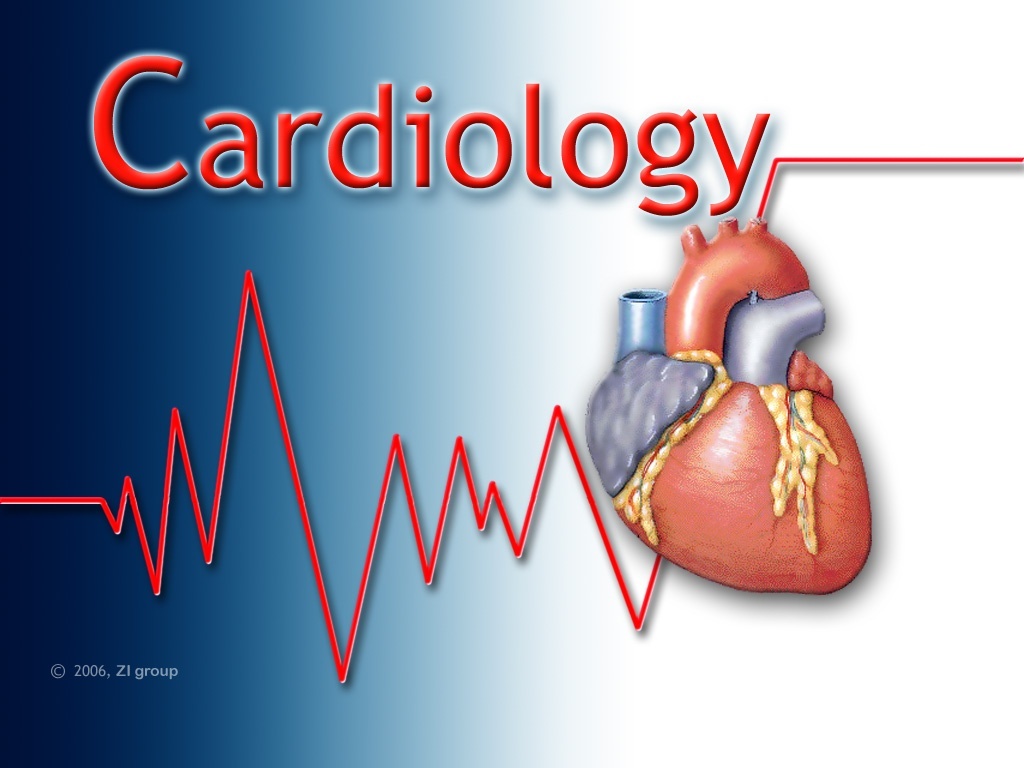
- Cardiovascular Physiology: Cardiac function analysis, blood pressure regulation, ECG recording, and vascular dynamics.
- Respiratory Physiology: Pulmonary function testing, gas exchange studies, and respiratory mechanics.
- Renal Physiology: Glomerular filtration, tubular reabsorption, urine concentration mechanisms, and electrolyte balance.
- Neurophysiology: Nerve conduction studies, EEG recording, reflex arc demonstrations, and sensory physiology.
- Endocrinology: Hormone assays, glucose tolerance tests, thyroid function evaluation, and stress response studies.
- Gastrointestinal Physiology: Digestive enzyme analysis, motility studies, and absorption mechanisms.
We integrate basic physiological principles with clinical applications to bridge the gap between theory and practice in medical education.
Advanced Laboratory Facilities
- Computerized Physiology Lab: Digital spirometers, ECG machines, plethysmographs, and automated blood pressure monitors.
- Human Experimentation Suite: Non-invasive monitoring stations for cardiovascular and respiratory experiments.
- Biophysics Laboratory: Advanced equipment for membrane potential recording, action potential studies, and bioelectric phenomena.
- Exercise Physiology Lab: Treadmills, cycle ergometers, and metabolic carts for sports physiology research.
- Molecular Physiology Unit: ELISA readers, PCR machines, and biochemical analyzers for hormone and cytokine studies.
- Environmental Physiology Chamber: Climate-controlled room for heat stress, altitude simulation, and thermal regulation studies.
Our laboratories maintain international standards and incorporate safety protocols for human experimentation and biohazard management.
Teaching & Learning Methodologies
- Problem-based learning (PBL) sessions integrating physiology with clinical scenarios
- Hands-on experiments with real-time data acquisition and analysis
- Computer simulations and virtual physiology laboratories
- Clinical correlation seminars with practicing physicians
- Objective Structured Practical Examinations (OSPE) for skill assessment
- Small group tutorials and flipped classroom approaches
We employ blended learning strategies combining traditional experimentation with digital tools and clinical integration to enhance physiological understanding and application.
Research Programs & Specializations
- Cardiovascular risk factors and autonomic function testing in South Asian populations
- Exercise physiology and metabolic adaptations in tropical climates
- Environmental physiology focusing on heat stress and dehydration
- Neuroendocrine responses to stress and nutritional deficiencies
- High-altitude physiology and acclimatization studies
- Diabetes mellitus pathophysiology and insulin resistance mechanisms
- Sleep physiology and circadian rhythm disorders
The department collaborates with clinical departments and international physiology research networks to address region-specific health challenges through translational research.
Clinical Physiology Services
- Non-invasive cardiac function assessment and stress testing
- Pulmonary function testing and exercise tolerance evaluation
- Autonomic function testing for diabetic neuropathy
- Body composition analysis and metabolic rate assessment
- Sleep studies and polysomnography services
- Ergonomic assessments for occupational health
- Sports physiology testing for athletic performance optimization
We provide diagnostic physiology services supporting clinical decision-making and patient management across multiple medical specialties.
Postgraduate & Continuing Education
- MPhil and PhD programs in Medical Physiology
- Diploma in Clinical Physiology and Neurophysiology
- Workshops on advanced physiological monitoring techniques
- Certification courses in cardiopulmonary exercise testing
- Refresher training for physiology laboratory technicians
- International faculty exchange programs with physiology departments
The department serves as a regional training center for advanced physiological techniques and research methodology in biomedical sciences.
Community & Public Health Contributions
- Physiological screening camps for cardiovascular risk assessment
- Nutrition and metabolic health awareness programs
- Sports physiology consultations for school and college athletes
- Heat stress management guidelines for industrial workers
- Research on physiological adaptations to malnutrition
- Public lectures on lifestyle diseases and preventive physiology
We engage with community health initiatives to promote physiological health literacy and preventive healthcare practices relevant to Bangladesh's population.