Explore our world-class MBBS program and join a legacy of medical excellence. We offer a structured curriculum with hands-on training, designed to prepare you for a successful healthcare career.

Comprehensive medical degree program
A rigorous 5-years MBBS program designed to equip you with a solid foundation in medical sciences, clinical skills, and patient care through a well-structured curriculum.
Recognized by national and global bodies
Fully accredited by the Bangladesh Medical and Dental Council (BMDC) and recognized internationally, ensuring your degree is valued worldwide.
Apply now for 2025 session
Seize the opportunity to join our 2025 intake with an open admission process, offering a straightforward application for aspiring medical students.
BMC New Website Update Notice for all Heads of Department
- 18 August, 2026E-Library Registration for All Students
- 18 August, 2026Second Professional MBBS Examination Results - December 2024
- 01 June, 2025Revised Class Routine for Third Year MBBS - Spring Semester
- 01 June, 2025First Professional MBBS Examination Schedule - 2025
- 04 May, 2025We integrate quality medical education, research, and affordable healthcare services to advance health outcomes in Bangladesh and beyond.
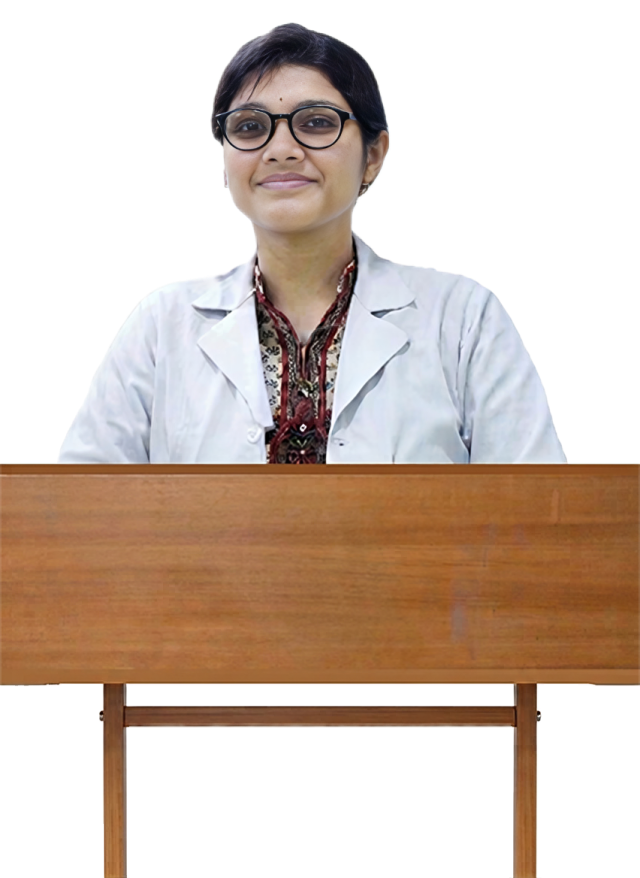
Listed in WHO Directory and eligible for USMLE/GMC
Affordable healthcare for thousands annually
Over 30 years of producing skilled doctors
At Bangladesh Medical College, our mission is to provide high-quality medical education, research, and affordable healthcare services that meet international standards. We aim to produce competent, ethical, and compassionate physicians who serve humanity with dedication and professionalism while advancing medical knowledge through research and community health initiatives.
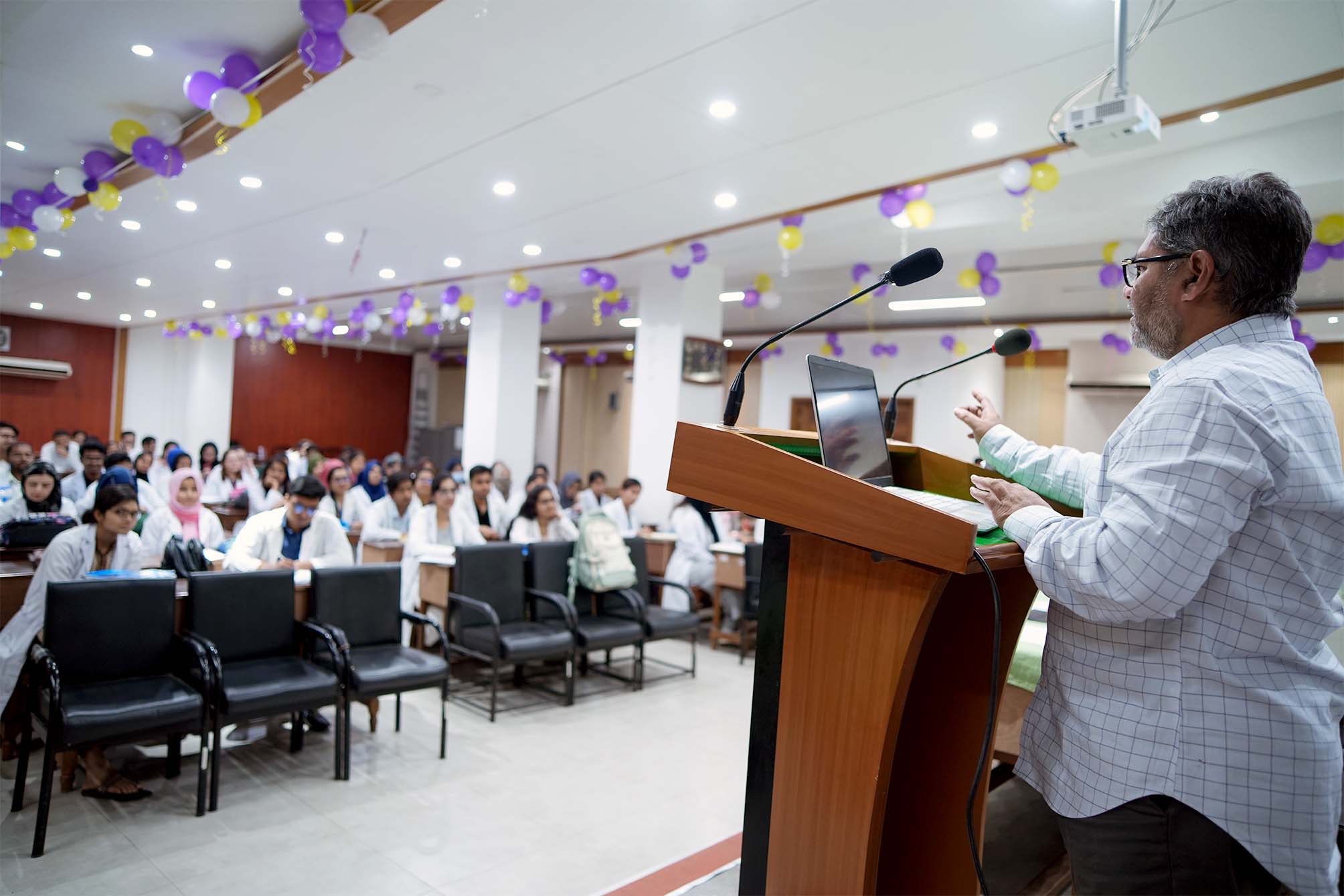
Our vision is to become a leading medical institution in Bangladesh and South Asia, producing competent, ethical, and compassionate physicians who contribute significantly to global healthcare. We strive to be a center of excellence in medical education, research, and patient care, recognized nationally and internationally for academic and clinical standards.
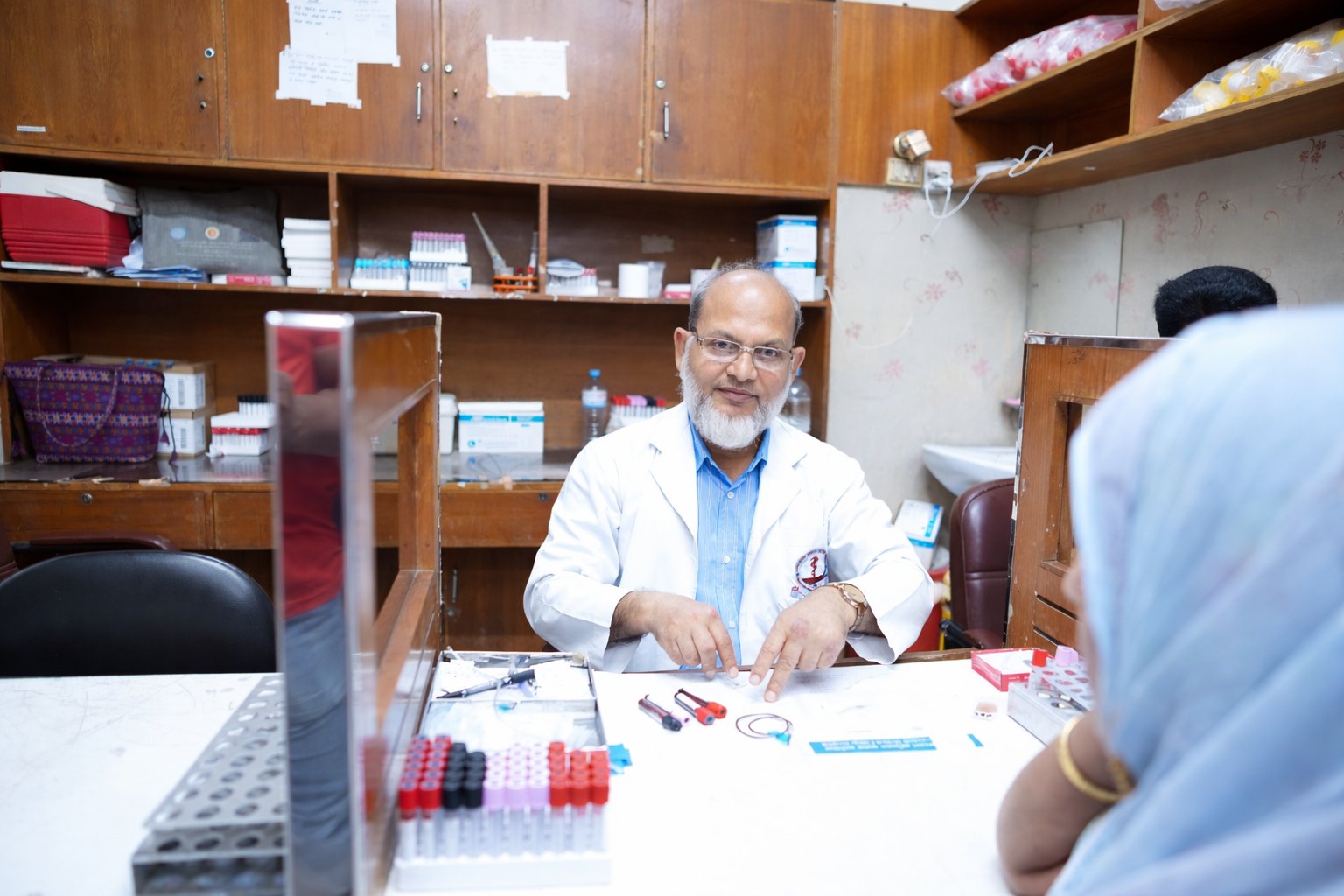
Our objective is to train medical graduates who are skilled, knowledgeable, and committed to serving humanity through excellence in clinical practice, research, and community service. We work to develop future physicians who uphold ethical values, contribute to medical science, and provide affordable, high-quality healthcare to the people of Bangladesh and beyond.
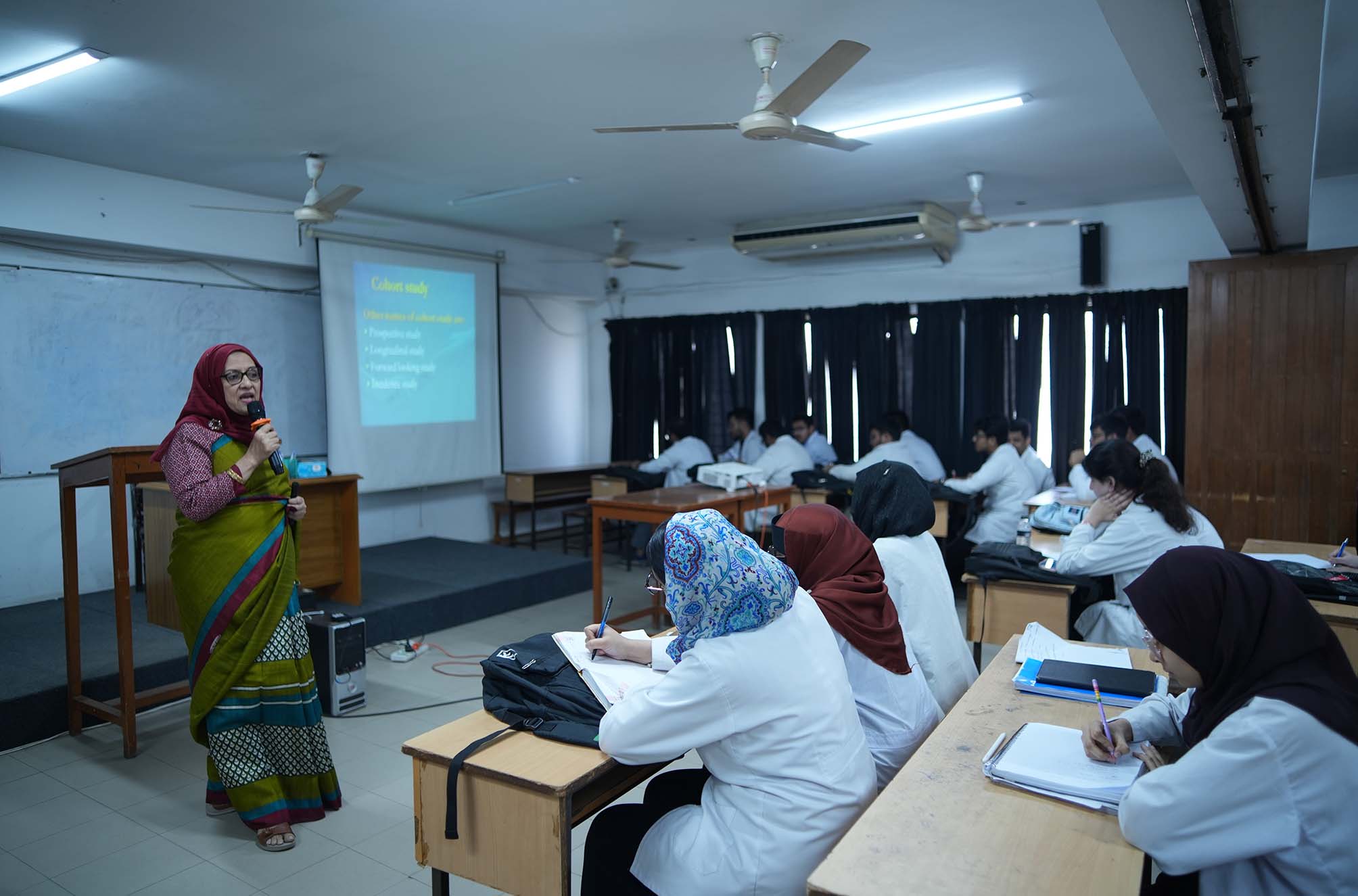
Discover the state-of-the-art facilities that support your medical education, research, and well-being at our college. From advanced learning spaces to comprehensive healthcare services, we are committed to providing an exceptional environment for all.
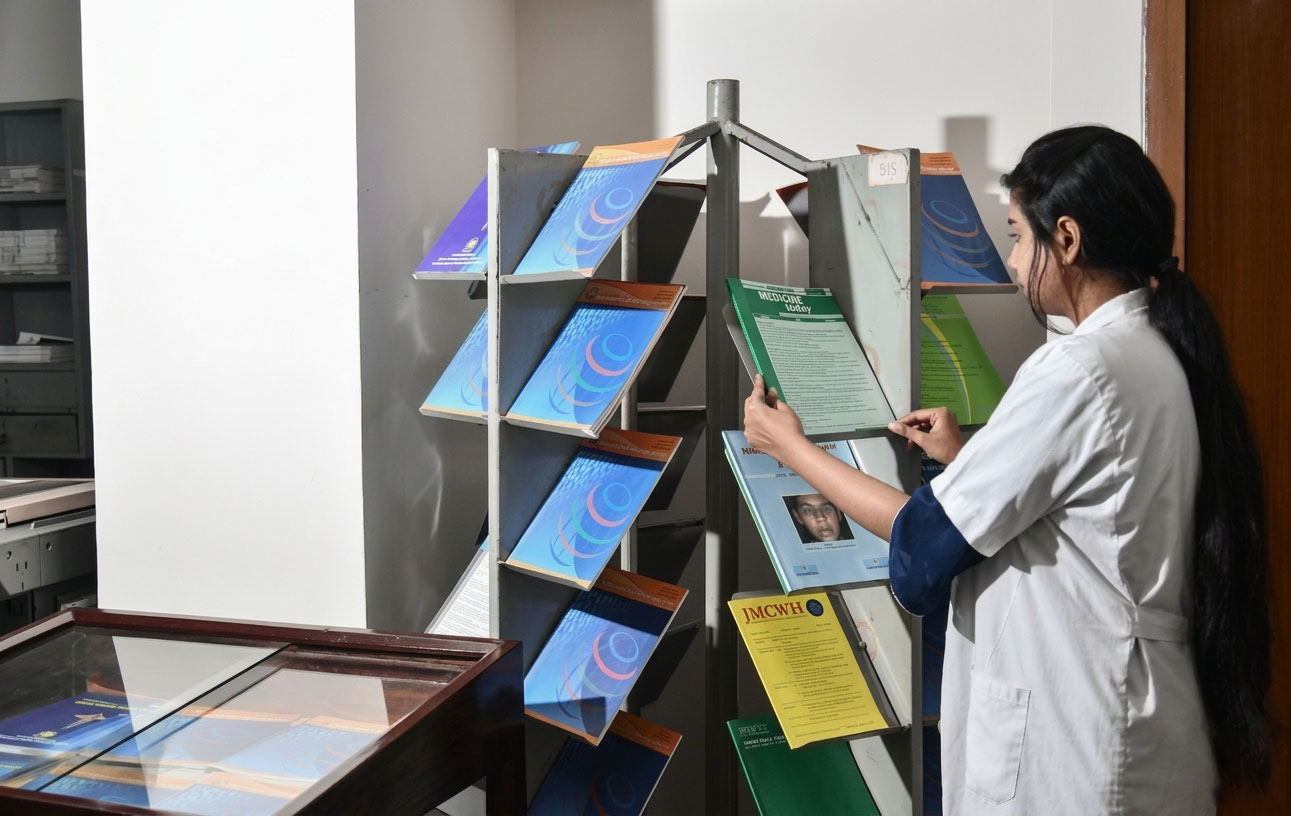
At Bangladesh Medical College, we provide a transformative medical education experience, fostering excellence in healthcare, research, and community service for students worldwide.
Immerse yourself in a transformative learning experience guided by professors dedicated to research that aims to make the world a better place. Your academic journey here isn't just about courses; it's about becoming part of a community committed to positive global impact.
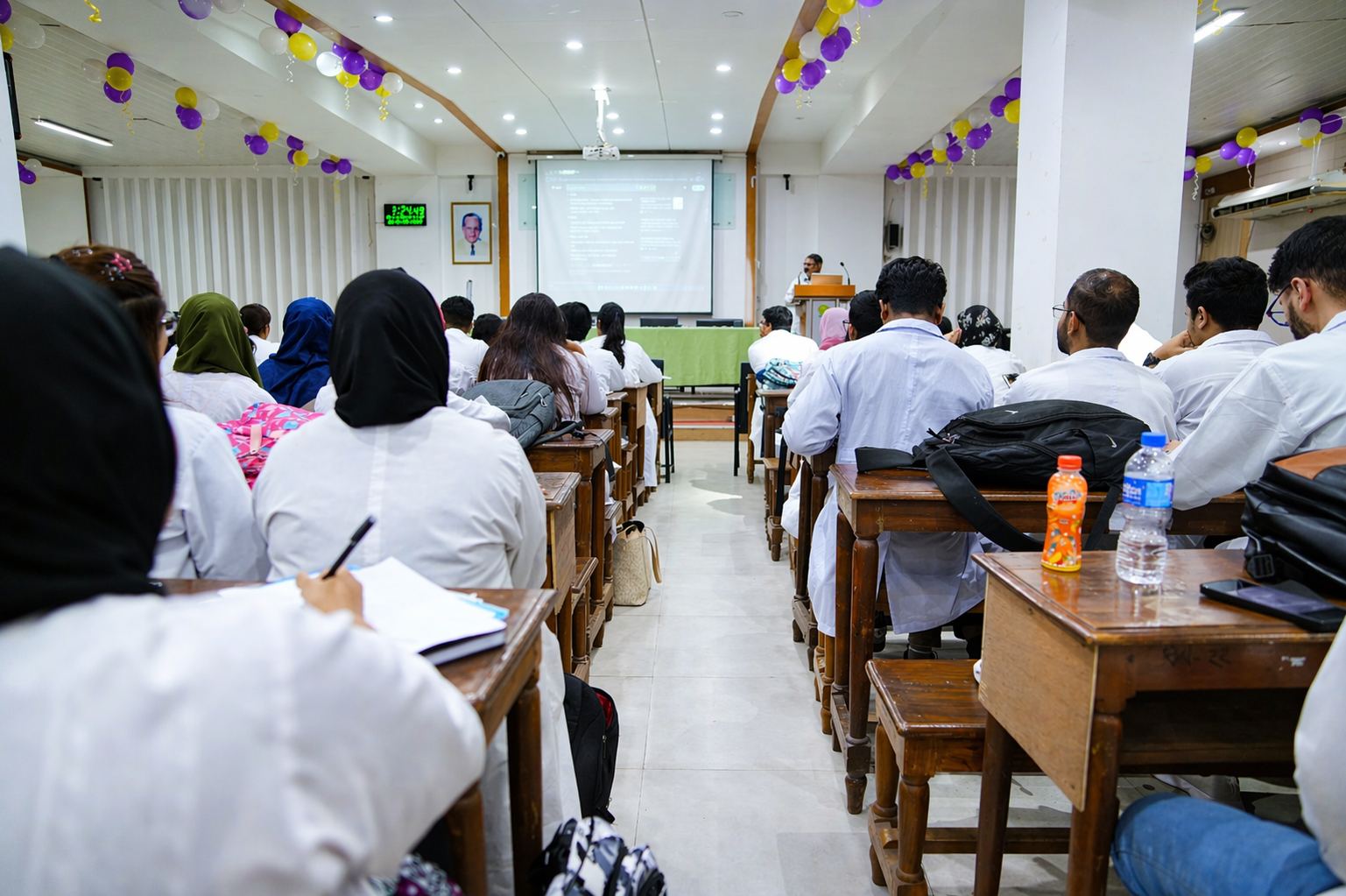
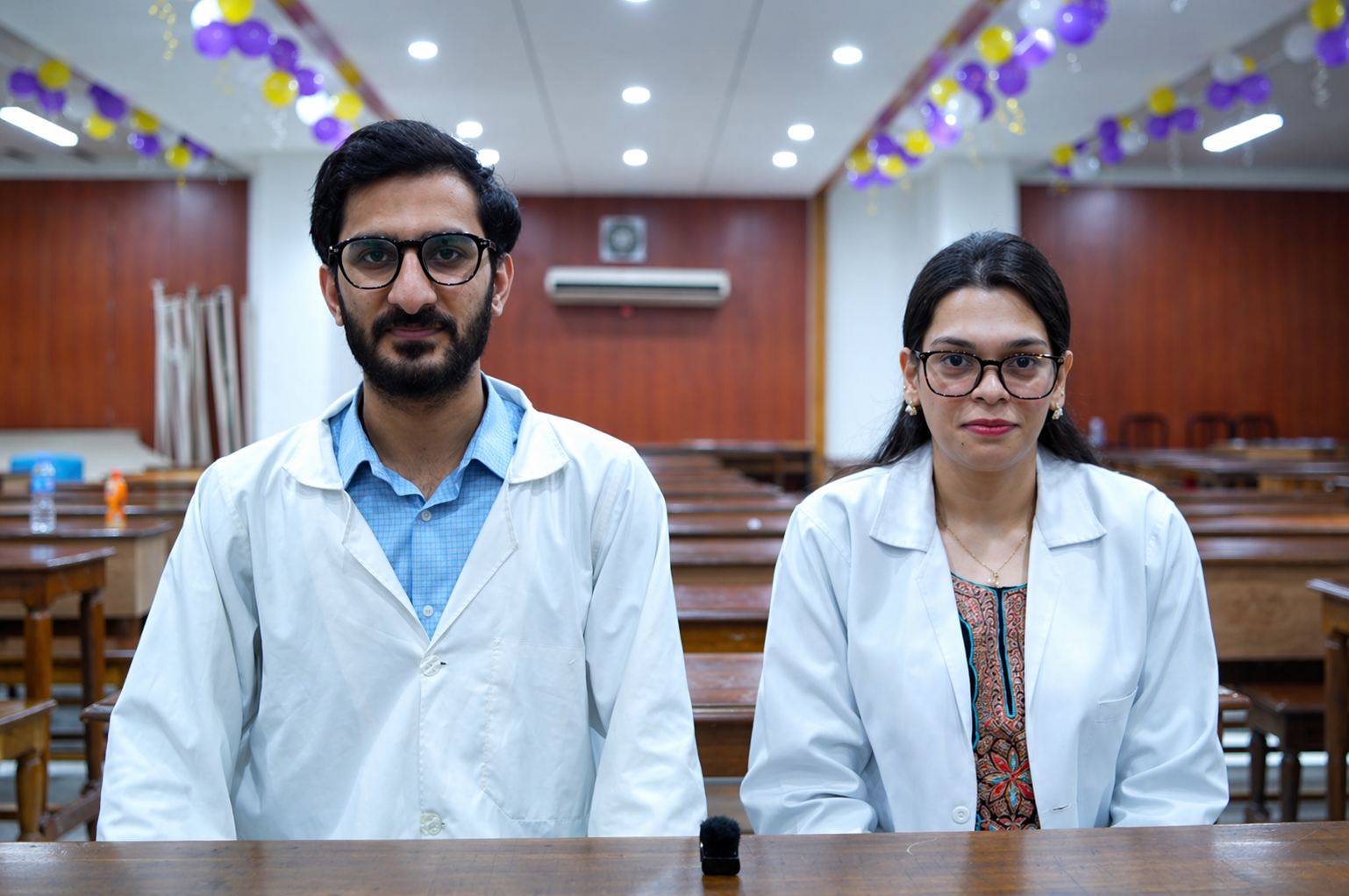
Join a vibrant community of international students at BMC, where diversity is celebrated and global perspectives enrich the learning environment. We provide comprehensive support services to help you navigate your academic journey and thrive in a new cultural setting.
Bangladesh Medical College is a thriving center for medical research, contributing to regional and global health solutions. With a focus on studying prevalent diseases, we provide students and faculty with resources and funding to drive innovative healthcare advancements.


Mark your calendars for our upcoming medical symposium, a premier event featuring renowned speakers, hands-on workshops, and panel discussions on the future of healthcare.
Open to students, alumni, and professionals, this symposium will showcase the latest trends and technologies in medicine, offering a unique opportunity for networking and professional growth within our vibrant medical community.

A major research project at the college has been awarded substantial funding to explore innovative treatments for common regional diseases.
Led by our esteemed faculty, this initiative will leverage advanced laboratories and clinical data to develop solutions that could transform patient care. This achievement underscores the college’s growing reputation as a hub for medical research and innovation.

Our recent community health initiative has reached a significant milestone, providing free medical services to over 500 local residents.
Held in collaboration with faculty and students, the event offered checkups, vaccinations, and health education sessions, demonstrating the college’s commitment to improving public health.
Feedback from the community has been overwhelmingly positive, highlighting the impact of accessible healthcare.

The medical college is buzzing with excitement as the new academic year commences, welcoming a diverse group of aspiring doctors into the MBBS program.
This year’s orientation includes interactive workshops, campus tours, and introductory lectures designed to inspire and prepare students for a rigorous yet rewarding journey in medical education.
With state-of-the-art facilities and a supportive faculty, the college is set to foster the next generation of healthcare leaders.
Stay informed about the latest events shaping our medical community, from academic seminars to community health initiatives.

Check back soon for updates on our exciting academic and community initiatives!
Hear from our proud alumni as they share their transformative journeys, remarkable professional successes, and the profound, lasting impact of their education at our esteemed medical college.
Their inspiring stories not only reflect our unwavering commitment to excellence in healthcare but also highlight the supportive community that shaped their careers.

Associate Professor [Marks Medical College]
The research opportunities opened doors to my rewarding career in public health. I’m deeply grateful for the expert guidance that helped me publish my first impactful paper.
01 May, 2025

Neurology Specialist [Popular Hospital]
Being part of this community shaped my approach to patient care. The diverse experiences here made me a confident and compassionate doctor.
12 May, 2025

General Surgery Specialist [Green Life Hospital]
The hands-on training at the college prepared me for my residency like nothing else. The supportive faculty and resources were key to my success as a surgeon today.
18 May, 2025

Take the first step toward a rewarding career in healthcare. Apply now to become part of our vibrant medical college community.